


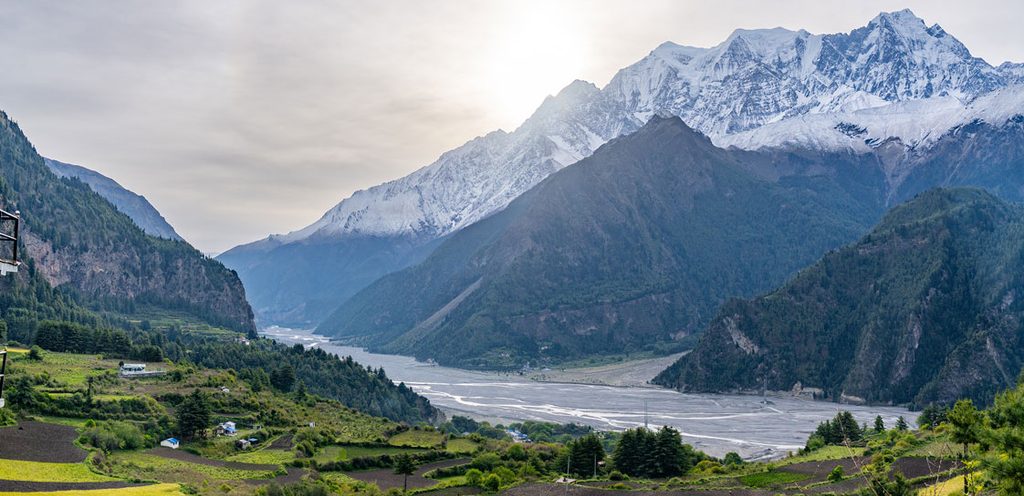
Marpha is one of Nepal’s most charming traditional mountain villages, located in the Kali Gandaki Valley of Lower Mustang. At an altitude of approximately 2,650 metres, this small settlement is known for its whitewashed houses and narrow stone-paved streets. Unbeknownst to most people, Marpha also has beautiful apple orchards. Surrounded by the rugged landscapes of the Himalayas, this village provides a fascinating glimpse into the culture and life of the Thakali community.
The village has a long history as a trading settlement along the old trans-Himalayan route between Tibet and the southern parts of Nepal. Thakali traders once played an important role in the exchange of salt, grain and other goods across the mountains. The traditional salt trade declined after the closure of the Tibet border in 1959, which led local families to explore other sources of income. Agriculture, particularly apple cultivation, gradually became an important part of the village economy, along with tourism.
Marpha at a Glance
- Destination: Marpha, Lower Mustang, Nepal
- Altitude: Approximately 2,650 metres
- District: Mustang
- Community: Predominantly Thakali
- Famous for: Apple orchards, apple brandy, traditional architecture and Thakali culture
- Nearest town: Jomsom, approximately 6 km north
- Best seasons: Spring and Autumn
- Protected area: Annapurna Conservation Area
Why Is Marpha Famous for Apples?
Marpha is the Apple Village of Nepal, and today it has a successful agricultural initiative that is gradually transforming the local economy. In 1966, the government established a horticultural development centre in the village to promote fruit cultivation in the Himalayan region. The initiative introduced improved apple varieties and farming techniques that encouraged local households to establish their own orchards. The dry climate, sunny days and cool nights of the Kali Gandaki Valley proved suitable for temperate fruit farming.
Today, apples are an important part of Marpha’s local identity. Fresh apples are sold in markets across Nepal, and local producers also prepare a variety of apple-based products. Visitors can try fresh apple juice, dried apples, jams, cider and the village’s well-known apple brandy. Apple pie is another popular specialty, and several small bakeries and guesthouses serve it to visitors.
Autumn is particularly interesting for an apple-themed visit. The orchards reach harvest season, and visitors may find freshly picked apples and locally prepared products for sale. Spring is another attractive time, when apple trees come into blossom.
Traditional Architecture and Thakali Heritage
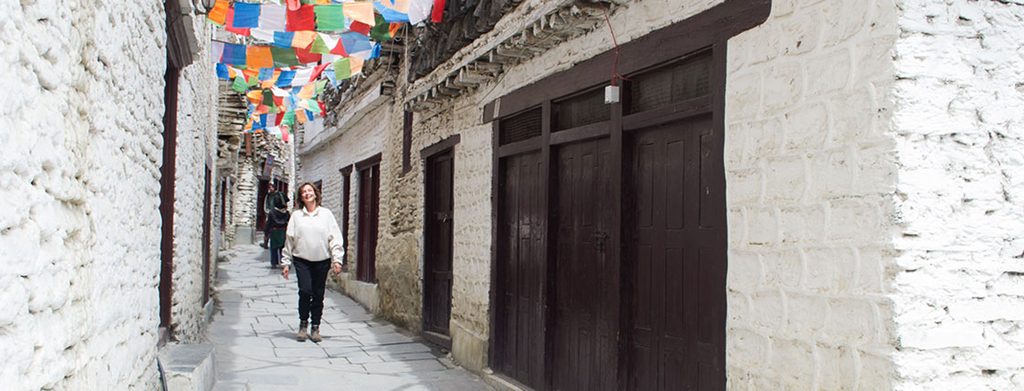
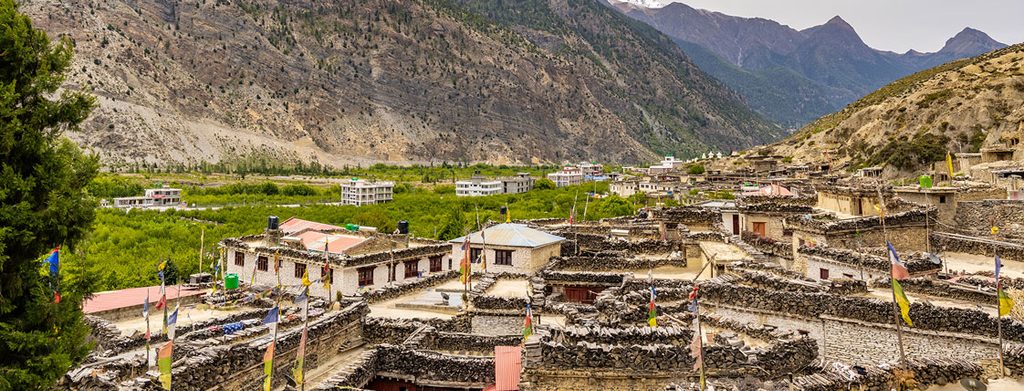
One of the first things visitors notice in Marpha is its distinctive traditional architecture. The village has compact clusters of whitewashed stone and mud houses, flat rooftops and beautifully detailed wooden windows. Narrow stone-paved lanes connect the residential quarters, and small courtyards provide shared spaces for local families.
The compact arrangement of houses has a practical purpose. Marpha lies in the windy Kali Gandaki Valley, where strong afternoon winds are common. Traditional houses were designed and positioned to offer protection from these conditions. Flat rooftops also serve practical household purposes, including the storage of firewood and the drying of agricultural produce.
Marpha is home to the Thakali community, whose cultural traditions have a strong connection with trade, agriculture and hospitality. The Thakalis are also well known throughout Nepal for their distinctive cuisine. Visitors can enjoy a traditional Thakali meal in local restaurants, usually with rice, lentils, vegetables, pickles and meat options.
Monasteries and Buddhist Heritage
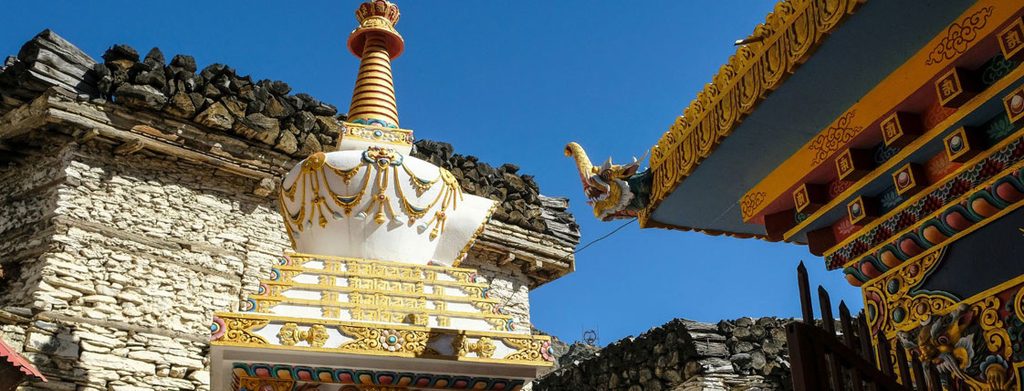
Buddhism is an important part of Marpha’s cultural landscape. Prayer flags, chortens and monasteries can be found in and around the village, with Buddhist religious structures that offer a glimpse into the spiritual traditions of the region.
One of the notable sites is Samten Choling Gompa, a monastery above the village. A short uphill walk takes visitors to the monastery, from where they can enjoy views of Marpha’s traditional rooftops and the surrounding Kali Gandaki Valley.
Another interesting place to explore is Chhairo Monastery, located across the Kali Gandaki River, south of Marpha. It is associated with the Tibetan Buddhist heritage of the area and is regarded as one of the older monasteries in the Thak Khola region. A walk to Chhairo offers a chance to explore another part of Mustang’s religious and cultural history.
Things to Do in Marpha
Marpha is a pleasant place to explore on foot. Although the village is relatively small, visitors can spend several hours discovering its traditional streets, local produce and surrounding countryside.
Walk Through the Old Village
Explore the stone-paved lanes, traditional houses and small courtyards. The early morning hours are particularly pleasant before the afternoon winds become stronger.
Visit the Apple Orchards
Take a walk around the cultivated areas and learn about the fruit farming that has shaped the village economy.
Taste Local Apple Specialties
Try apple pie, fresh juice, dried apples and other locally prepared products.
Explore Samten Choling Gompa
Visit the monastery above the village and enjoy the views across the settlement.
Make a Trip to Chhairo Monastery
Cross the Kali Gandaki River and explore this historic Buddhist site.
Visit Dumba Lake
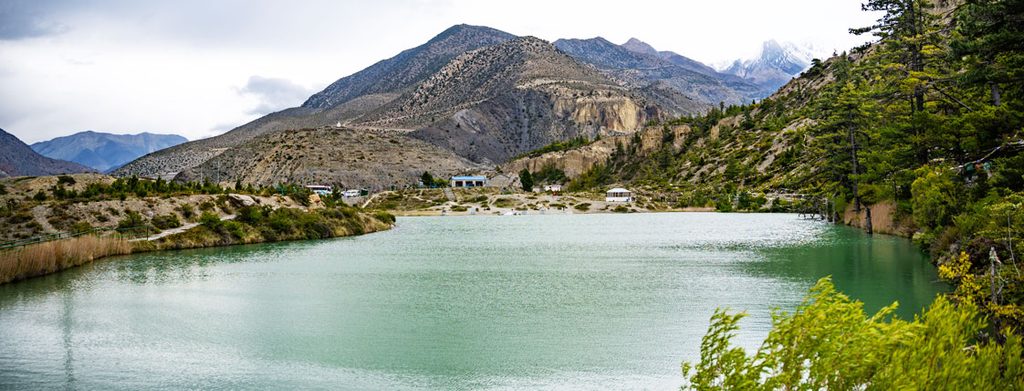
Located a short hike from the village, this small lake is known for its striking turquoise water and peaceful mountain surroundings. It is considered sacred by local communities, so visitors should respect local customs and avoid swimming or littering.
Best Time to Visit Marpha
Marpha is accessible throughout much of the year, but spring and autumn are generally the most rewarding seasons for a visit.
Spring (March to May)
The weather is generally pleasant, with clear mornings and comfortable daytime temperatures. Apple trees blossom during this season, which adds colour to the surrounding orchards. It is also a good period for trekking and exploring the villages of Lower Mustang.
Summer (June to August)
Mustang lies in the rain shadow of the Annapurna and Dhaulagiri ranges, so it receives considerably less rainfall than many other parts of Nepal. However, occasional rain and road conditions can affect travel.
Autumn (September to November)
This is one of the best times to visit Marpha. The weather is generally dry, mountain views are often clear, and apple harvesting takes place. Visitors can enjoy fresh local apples and explore the orchards at their most productive time.
Winter (December to February)
Temperatures drop considerably, particularly at night. Some accommodation and tourism services may operate on reduced schedules, but the village offers a quieter experience for visitors who are prepared for the cold.
How to Reach Marpha
Marpha is approximately 6 km south of Jomsom, the administrative centre of Mustang District. Travellers can reach Jomsom by air or road before continuing to the village.
By Flight
Take a domestic flight from Pokhara to Jomsom. From the airport, Marpha is approximately 6 km away and can be reached by local vehicle or on foot.
By Road
Travel from Pokhara through Beni, Tatopani and Ghasa towards Jomsom. Marpha lies along the road south of Jomsom. The journey takes considerably longer than the flight and is best suited to travellers who want to explore the landscapes and settlements along the way. Many take the Mustang Overland Tour to get to Marpha and beyond, especially to Lo Manthang or Upper Mustang.
On Foot
Trekkers on the Annapurna Circuit or the Jomsom–Muktinath route can reach Marpha along the traditional trails of the Kali Gandaki Valley.
Places to Visit Near Marpha
Marpha also makes a convenient stop for exploring other attractions in Lower Mustang. Several interesting destinations lie within a relatively short distance of the village.
Jomsom
Approximately 6 km north of Marpha, Jomsom is the administrative centre of Mustang. It is an important gateway for trekking and travel towards Muktinath and Upper Mustang.
Kagbeni
This traditional settlement lies north of Jomsom, at the entrance to Upper Mustang. Its narrow alleys, traditional mud-brick houses and Buddhist heritage make it an interesting place to explore.
Muktinath
Located at approximately 3,800 metres, Muktinath is a sacred pilgrimage destination for both Hindus and Buddhists. The temple complex is famous for its 108 water spouts and naturally burning flame.
Tukuche
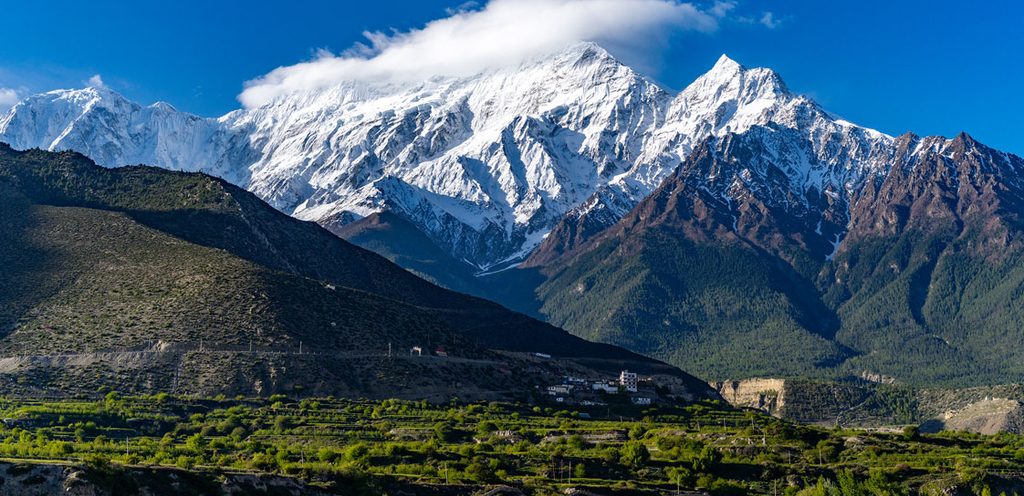
Situated south of Marpha, Tukuche is another traditional Thakali settlement with a history connected to the old trans-Himalayan trade routes. It also offers impressive views of the surrounding Himalayan mountains.
Frequently Asked Questions About Marpha
2. What Is Marpha Famous for Besides Apples?
Marpha is also known for its traditional Thakali architecture, Buddhist monasteries, historic trading heritage and local cuisine. Its whitewashed houses and stone-paved streets are among its most recognizable features.
3. How Much Time Should I Spend in Marpha?
A few hours are sufficient to explore the main village attractions. However, an overnight stay is worthwhile if you want to enjoy the local atmosphere, visit nearby monasteries and explore the surrounding orchards at a relaxed pace.
4. Can I Visit Marpha Without Trekking?
Yes. Marpha is accessible by road, so you do not need to undertake a long trek to visit the village. You can include it in a road journey through Lower Mustang.
5. What Food Should I Try in Marpha?
Try a traditional Thakali meal, along with locally prepared apple pie, apple juice and dried apples. Marpha is also famous for its locally produced apple brandy.
6. Is Marpha Suitable for Families?
Yes. Its traditional streets, local food and apple orchards make it an interesting destination for families. Visitors should remember that the village sits at approximately 2,650 metres, so allowing time to adjust to the altitude is sensible.
Experience the Traditional Charm of Marpha
Marpha offers a wonderful introduction to the cultural and agricultural heritage of Lower Mustang. Its traditional Thakali settlements, historic monasteries and apple-growing traditions give visitors plenty to discover. Whether you stop here during an Annapurna Circuit trek or include it in a road journey through Mustang, the village is well worth your time. A walk through its stone-paved streets, a visit to a local apple orchard and a taste of freshly prepared apple pie make for a memorable Himalayan experience.