


Planning a journey through Nepal and Bhutan goes beyond simply listing destinations on an itinerary. Both these incredible destinations take you to places where culture is entrenched in daily life.
In Nepal, daily life is displayed in full view. Temples stand beside busy streets and prayer flags flutter above courtyards. Rituals continue as they have for generations. In Bhutan, life follows a quieter, more deliberate flow. Traditions are carefully maintained and architecture follows a consistent aesthetic. But in both these countries, spiritual practices remain closely woven into daily routines.
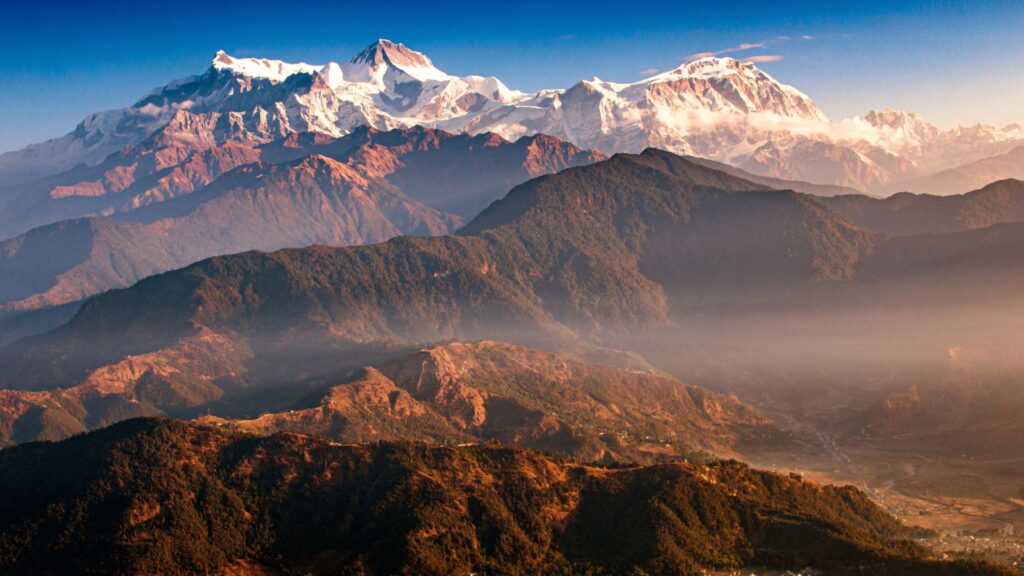
Both Nepal and Bhutan offer landscapes that live up to what one expects from the Himalayas. Snow-capped peaks, forested hills, river valleys, and open skies form a constant backdrop to the journey.
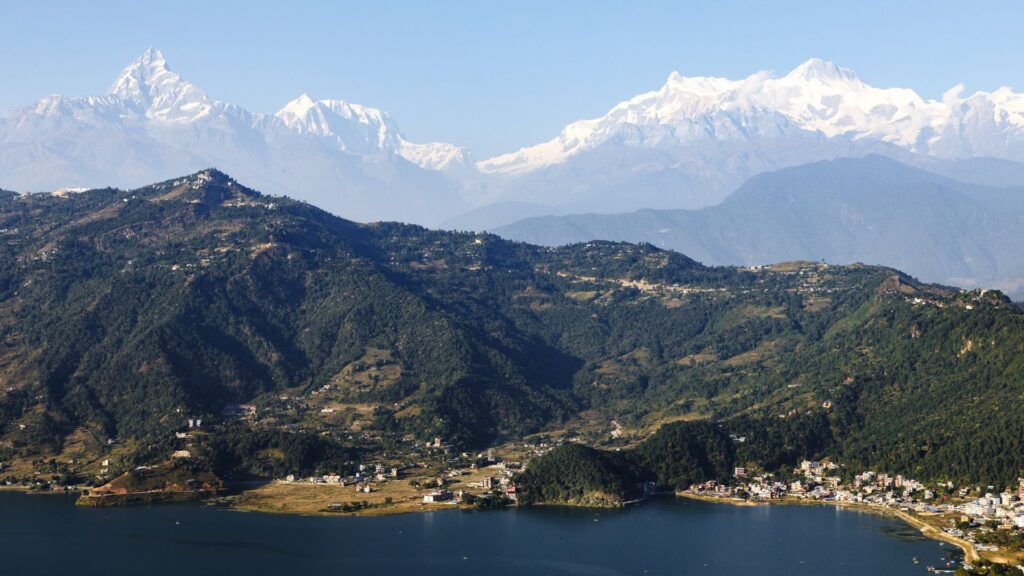
In Nepal, the terrain transforms quickly. Within a short span, you move from fertile plains to mid-hills and then to the high mountains. Around Pokhara, the stillness of the lake reflects the Annapurna range. It feels cinematic in every sense. In the Kathmandu Valley, the hills frame the city, and adds a depth to its cultural setting.
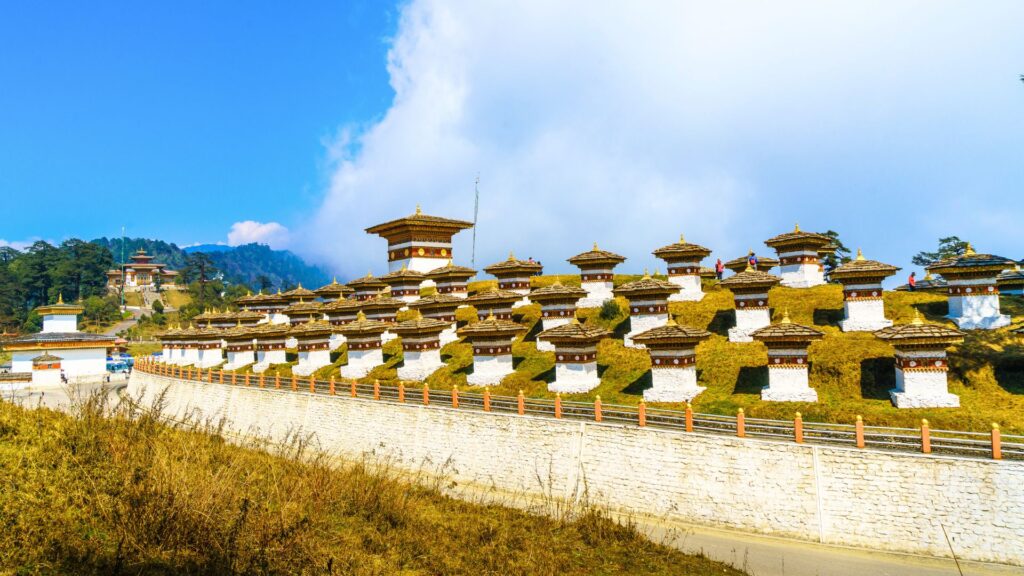
Bhutan carries its own sense of balance in the landscape. Valleys such as Punakha Valley open into wide, green expanses where rivers wind gently through fields and traditional architecture blends into the surroundings. Forests are dense and largely untouched, and the mountains rise quietly in the distance.
This guide brings together the essential details you need to plan your Nepal Bhutan Tour, while also offering a clearer sense of what you will experience along the way.
Why Combine Nepal and Bhutan in One Trip?
There’s a natural flow to this journey. You begin in Kathmandu, where the air carries incense, traffic, dust, and temple bells all at once. The experience is immediate and immersive. Then you arrive in Paro. The difference is subtle at first, then unmistakable. Cleaner air, quieter roads, architecture that follows a single visual language. Nothing feels accidental.
Suggested Nepal Bhutan Itinerary (10–14 Days)
Nepal (5–7 Days)
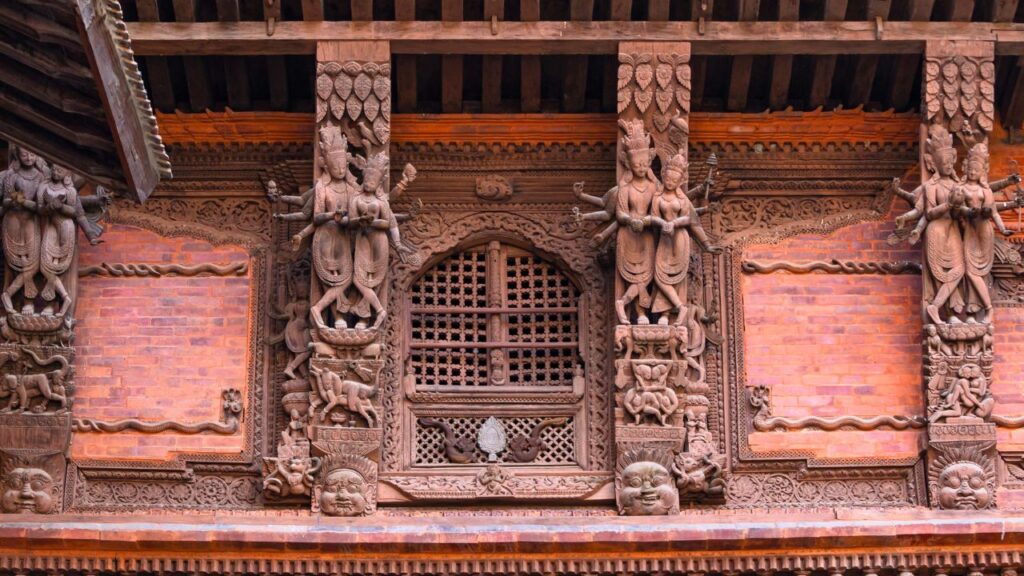
Walk through the old squares of Kathmandu, where carved wooden windows and centuries-old courtyards still shape daily life. At Pashupatinath Temple, rituals along the river can be witness with an intensity that is both raw and deeply spiritual. Nearby, Boudhanath Stupa offers a quieter pace, where pilgrims circle the stupa in steady, meditative motion. If time allows, head to Pokhara. The shift is immediate. Lakeside calm, open skies, and the Annapurna range rising in the distance create a sense of space after the density of the capital.
Bhutan (5 to 7 Days)
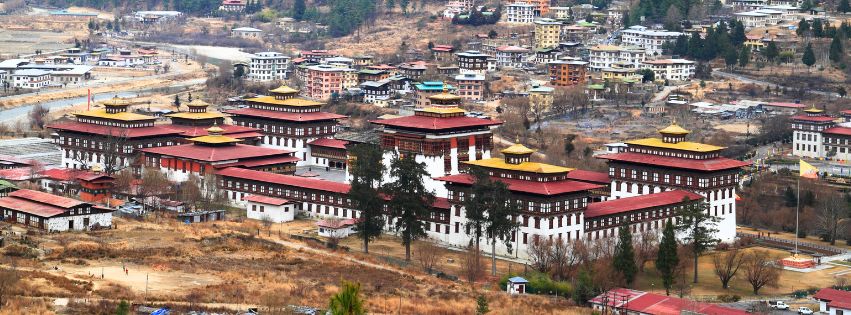
Fly into Paro, one of the most scenic landings in the Himalayas. Begin in Thimphu, a capital that feels more like a large town. There are no traffic lights, and tradition still guides daily life. Continue to Punakha Valley, where rivers meet below one of the most beautiful dzongs in the country.
The highlight for many is the hike to Tiger’s Nest Monastery. The trail climbs steadily, revealing the monastery only in fragments until it suddenly appears, clinging to the cliffside. The effort to reach it is part of the experience.
Best Time for a Nepal Bhutan Tour
Timing determines the experience more than most expect.
Spring (March to May): Clear views and blooming hillsides bring color to both countries.
Autumn (September – November): Stable weather and sharp mountain visibility make this the most popular season.
Winter (December to February): Fewer travelers and clear skies. Bhutan can be cold, especially in the mornings and evenings.
Monsoon months from June to August are best avoided for Nepal, especially if mountain views are important.
Visa and Travel Requirements
Nepal Visa: A visa on arrival is available at Tribhuvan International Airport. The process is straightforward and usually quick.
Bhutan Visa: This must be arranged in advance through a licensed tour operator. The daily Sustainable Development Fee is included as part of the package.
This difference often shapes how travelers plan the trip. Nepal allows flexibility, while Bhutan is structured and pre-arranged.
Cost of a Nepal Bhutan Tour
Nepal: Options range from budget to luxury. You can adjust your spending based on your style of travel.
Bhutan: Travel is based on a fixed daily tariff. This usually includes accommodation, guide, transport, and meals.
Average Combined Cost (10 to 15 days): Mid-range travelers can expect around USD 2,500 to 3,500 per person. Luxury trips can go beyond USD 4,000.
How to Travel Between Nepal and Bhutan
The easiest way is by air. Flights connect Kathmandu and Paro in about an hour. Airlines such as Druk Air and Bhutan Airlines operate this route. On a clear day, the flight offers views of the Himalayan range, which often becomes a highlight in itself.
Who Is This Tour Best for?
This journey suits travelers who value depth over speed. It works well if you are interested in culture, spirituality, and landscapes without committing to long or demanding treks. It is also ideal for those who want a balance between independent exploration and guided structure.
A Nepal and Bhutan tour is not about seeing more. It is about experiencing differently. One country invites you in with energy and movement. The other asks you to slow down and notice what remains unchanged. Between the two, the journey begins to feel less like travel and more like perspective.
