


Nepal is home to some of the world’s most legendary trekking routes, but two regions stand above the rest in popularity and reputation. For many travelers planning a Himalayan adventure, the choice eventually comes down to one question. Should you trek in the Annapurna region or head toward Everest Base Camp?
The answer depends entirely on the kind of experience you are looking for. One offers dramatic high-altitude landscapes beneath the world’s tallest mountain. The other delivers remarkable diversity of forests, villages, mountain deserts, changing cultures, and constantly shifting scenery.
Both are unforgettable. But they feel very different.
This guide breaks down the key differences between Annapurna and Everest so you can decide which trek suits your interests, fitness level, travel style, and expectations.
The Main Difference
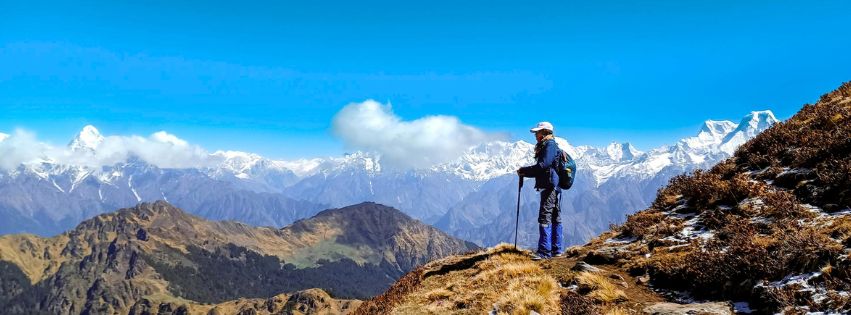
The Everest region is centered around a singular goal of reaching the foot of Mount Everest. The Annapurna region, especially the Annapurna Circuit, is more about the journey itself.
Everest Region Trek
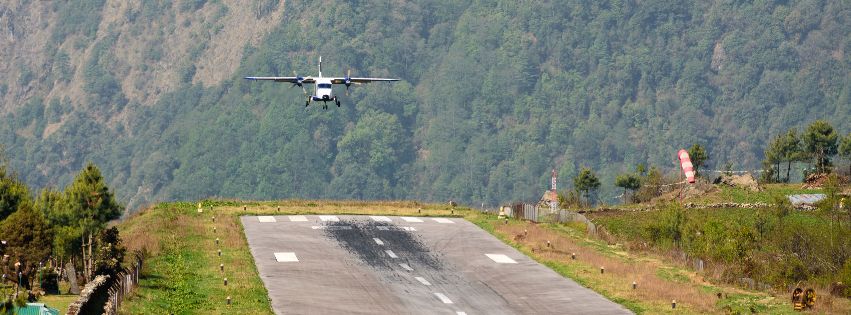
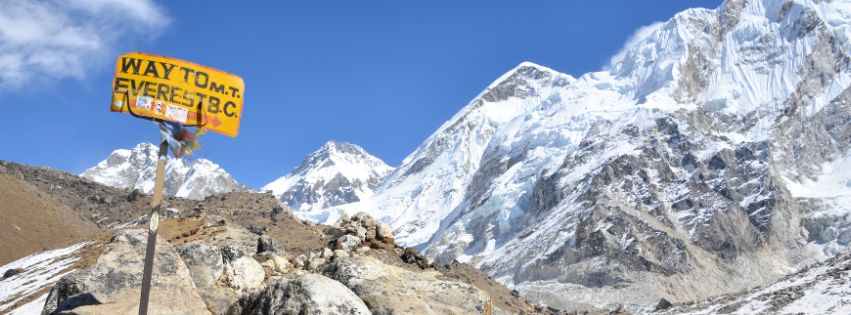
The Everest Base Camp trek is one of the most iconic trekking experiences on Earth. The journey begins with a mountain flight to Lukla before entering the Khumbu region, homeland of the Sherpa people. The trail passes through famous settlements such as Namche Bazaar, Tengboche, Dingboche, and Lobuche before eventually reaching Everest Base Camp. Throughout the trek, giant Himalayan peaks dominate the landscape. Suspension bridges hang over deep river valleys, glaciers stretch across barren terrain, and ancient monasteries sit quietly beneath towering mountains. The atmosphere feels distinctly alpine and high Himalayan. For many trekkers, the highlight is Kala Patthar, the viewpoint above 5,500 meters that offers the classic panoramic view of Mount Everest. Other than this, there are also other variations in the itineraries and you can take the famed Everest Three Passes Trek or the Everest Gokyo Lakes Trek.
The Everest trek is ideal for travelers who:
- Have always dreamed of seeing Everest
- Enjoy dramatic mountain scenery
- Want a physically demanding adventure
- Are drawn to high-altitude trekking
- Want a classic Himalayan bucket-list experience
Annapurna Region Treks
The Annapurna region contains several trekking routes, but the two most famous are the Annapurna Base Camp (ABC) and the Annapurna Circuit Trek and also the Annapurna Circuit Trek with Tilicho Lake Extension. Unlike Everest, Annapurna is defined by diversity.
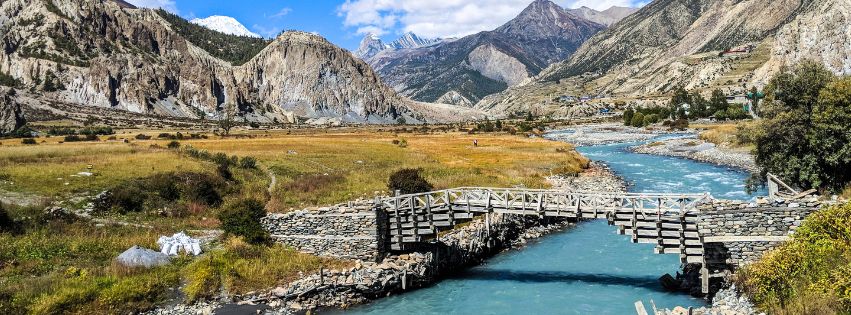
The scenery changes constantly. One day you may walk through terraced farmland and rhododendron forests. A few days later, the landscape becomes dry, rocky, and almost Tibetan in character. The Annapurna Circuit especially is known for this transition. It takes trekkers through river valleys, forests, alpine terrain, high mountain passes, and windswept desert-like landscapes. The cultural experience also changes throughout the trek, with villages belonging to different ethnic communities, each with their own architecture, traditions, and food.
Annapurna is ideal for travelers who:
- Prefer variety in scenery
- Want stronger cultural immersion
- Enjoy long journey-style trekking
- Want more itinerary flexibility
- Prefer slightly lower altitude exposure
Difficult Level
The answer depends on which Annapurna trek you compare with Everest. Everest Base Camp is harder than Annapurna Base Camp and Annapurna Circuit is comparable in difficulty, though in a different way.
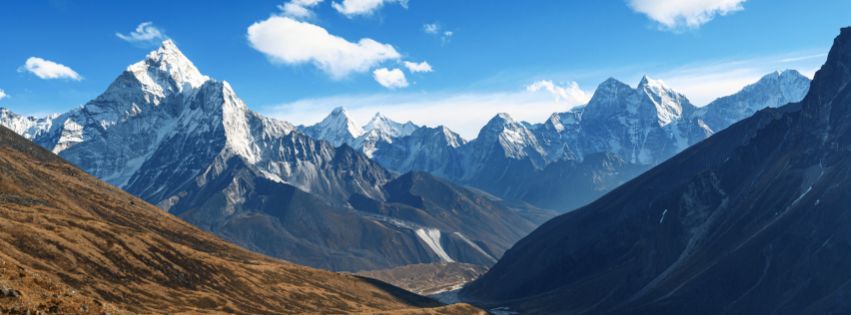
Everest Base Camp sits at 5,364 meters, while Kala Patthar rises to 5,545 meters. Altitude is the biggest challenge on this trek. Even experienced hikers can feel the effects of thinner air. The trek requires proper acclimatization, slower pacing, and patience. Physical fitness helps, but altitude affects everyone differently. The trails themselves are not technical, but long trekking days at high elevation can be exhausting.
Everest is best suited for trekkers who are comfortable with:
- Long days of walking
- Cold temperatures
- High altitude
- Basic mountain accommodation
- Gradual but demanding ascents
On the other hand, Annapurna Base Camp reaches around 4,130 meters, making it significantly lower than Everest Base Camp. This trek is generally considered more beginner-friendly. The trails are manageable, the itinerary is shorter, and altitude is less extreme. It is often recommended for first-time trekkers in Nepal.
However, the Annapurna Circuit crosses Thorong La Pass at 5,416 meters, which is actually comparable in altitude to Everest Base Camp. Many trekkers find the ascent more gradual, allowing better acclimatization over time.
The challenge of the circuit comes less from extreme altitude and more from:
- Long trekking days
- Constant elevation changes
- Variable weather
- The demanding crossing of Thorong La Pass
Which Region Is More Beautiful?
This depends entirely on personal preference.
Choose Everest If You Prefer:
- Towering snow-covered peaks
- Dramatic glacier landscapes
- Harsh alpine beauty
- Massive mountain panoramas
- The emotional impact of seeing Everest itself
Choose Annapurna If You Prefer:
- Constantly changing scenery
- Forests, waterfalls, and farmland
- Traditional villages
- A mix of greenery and high mountains
- Greater landscape diversity
Cultural Experience
Everest Region
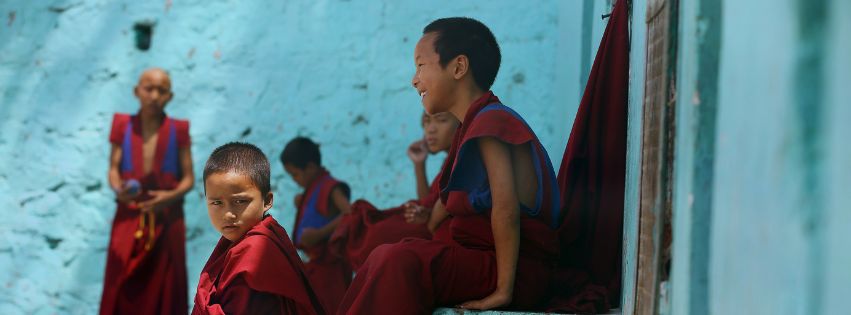
The Everest region is deeply shaped by Sherpa culture and Tibetan Buddhism, giving the trek a strong spiritual atmosphere from beginning to end. Along the trail, trekkers pass ancient Buddhist monasteries, spinning prayer wheels, carved mani walls, and traditional Sherpa settlements that have existed in the Himalayas for generations. Villages such as Namche Bazaar and Tengboche still serve as important cultural and trading centers in the Khumbu region, blending mountain life with long-standing Buddhist traditions. The presence of monasteries, prayer flags, and sacred sites throughout the journey adds a distinct spiritual dimension to the Everest trekking experience.
Annapurna Region
The Annapurna region offers greater cultural diversity, with different ethnic communities living across its valleys and mountain settlements. Depending on the route, trekkers may pass through Gurung villages, Magar communities, Thakali settlements, and areas strongly influenced by Tibetan culture. Each region has its own architecture, traditions, cuisine, and way of life, making the cultural experience feel varied throughout the journey. The Annapurna Circuit especially creates a strong sense of transition as the landscape and communities gradually change from subtropical hills to high Himalayan terrain.
Accessibility and Logistics
Everest Region
Most Everest treks begin with a flight to Lukla. While the flight itself is famous for its mountain scenery, weather delays are common, especially during peak trekking seasons. The region is also more remote, making logistics more expensive and less flexible.
Annapurna Region
The Annapurna region is easier to access. Most treks begin after a drive from Pokhara, without the need for mountain flights. This makes Annapurna more affordable and easier to organize. The trek is also less dependent on weather conditions and more flexible for itinerary changes This accessibility is one reason Annapurna is so popular among first-time trekkers.

Cost Comparison
Everest treks are usually more expensive than Annapurna treks.
This is mainly due to:
- Lukla flight costs
- Higher transportation expenses
- More expensive food and accommodation in the Everest region
- Greater logistical complexity
Best Time to Trek
The best seasons for both Annapurna and Everest are:
- Spring (March to May)
- Autumn (October to November)
Everest and Annapurna are not competing experiences. They simply offer different ways of experiencing the Himalayas. Everest is bold, dramatic, and centered around the world’s highest mountain. It is about altitude, scale, and the powerful feeling of standing beneath Everest itself. Annapurna feels broader and more immersive.
