


The best time to visit Bhutan depends on where you want to go and what you want to experience. Bhutan stretches from subtropical plains in the south to some of the highest mountains in the world in the north, with temperate valleys and forests in between. As a result, the weather can be surprisingly different from one region to another. Paro and Thimphu may have cool mornings while Punakha is comfortably warm, and eastern Bhutan is generally warmer than the western valleys.
For most travellers, spring and autumn are the best seasons for a Bhutan holiday. March to May brings flowers, fresh green landscapes and pleasant conditions for sightseeing and hiking, while September to November usually offers comfortable temperatures, clearer skies and excellent mountain views. Winter and summer also have their own appeal, especially for travellers interested in black-necked cranes, lush landscapes, quieter travel or particular festivals. Bhutan is a year-round destination, and choosing the right season largely depends on the regions and experiences you want to include.
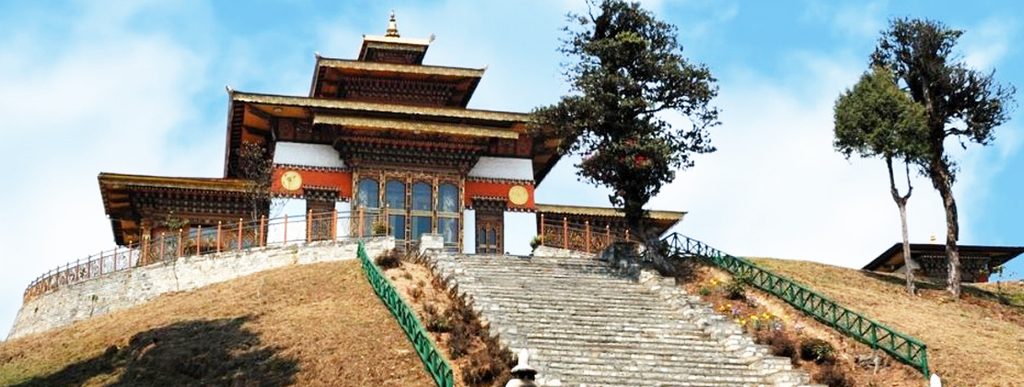
Bhutan Weather at a Glance
Bhutan has four distinct seasons:
- Spring: March to May
- Summer: June to August
- Autumn: September to November
- Winter: December to February
The following temperature ranges are approximate daytime highs and nighttime lows. Actual temperatures vary according to altitude, location and weather conditions.
| Season | Western Bhutan | Central Bhutan | Eastern Bhutan | Southern Bhutan |
| Spring | 15°C–23°C / 1°C–13°C | 16°C–23°C / 3°C–12°C | 20°C–30°C / 12°C–23°C | 25°C–32°C / 18°C–24°C |
| Summer | 25°C–27°C / 14°C–16°C | 22°C–25°C / 14°C–16°C | 27°C–32°C / 20°C–23°C | 28°C–35°C / 22°C–27°C |
| Autumn | 14°C–23°C / 1°C–15°C | 17°C–23°C / 6°C–14°C | 20°C–30°C / 11°C–22°C | 25°C–32°C / 17°C–24°C |
| Winter | 9°C–18°C / -6°C–7°C | 11°C–20°C / -5°C–6°C | 16°C–26°C / 4°C–14°C | 20°C–28°C / 10°C–18°C |
These are useful planning ranges rather than forecasts. Bhutan’s official tourism information notes that the south generally remains between about 15°C and 30°C through the year, while the northern high-altitude areas are considerably colder. Published climate data for individual destinations also show substantial differences between places such as Paro, Thimphu, Punakha, Bumthang, Mongar and Trashigang.
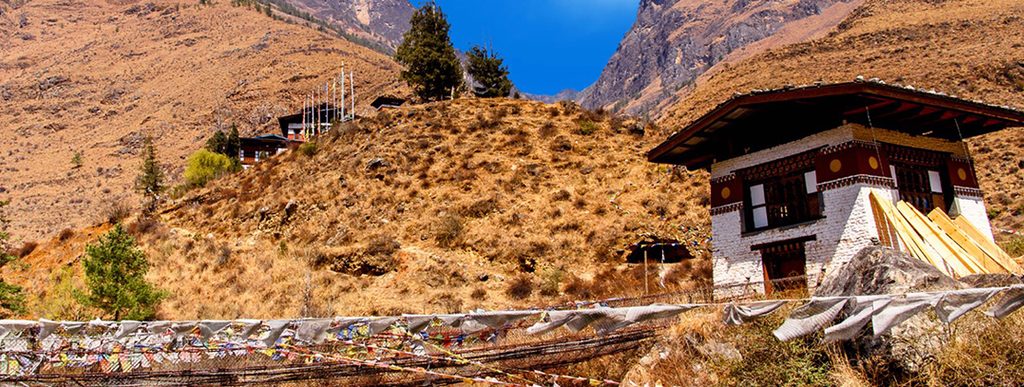
Best Time to visit Bhutan
Bhutan’s climate changes considerably from north to south because of its dramatic variation in altitude. The high northern mountains remain cold throughout the year, while the western and central valleys have a temperate climate. Eastern Bhutan is generally warmer, and the southern foothills have a subtropical climate. This means the best time to travel to Bhutan depends partly on which parts of the country you plan to explore.
For most travellers, spring and autumn are the best seasons to visit Bhutan. March to May brings flowers, fresh greenery and pleasant conditions for sightseeing and hiking, while September to November generally offers clear skies and comfortable weather. Summer brings monsoon rain and exceptionally lush landscapes, while winter offers crisp skies, peaceful surroundings and excellent opportunities to see black-necked cranes in Phobjikha Valley.
Spring | March to May
Spring is one of the most beautiful seasons to travel through Bhutan. The western and central valleys begin to turn green, while rhododendrons, magnolias and other wildflowers add color to the hillsides. Lower valleys in the east and south are already warmer, while the high northern mountains remain cold. The pleasant conditions make spring an excellent time for hiking, sightseeing and exploring Bhutan’s monasteries, dzongs and villages. It is also one of the best seasons for birdwatching and photography.
Summer | June to August
Summer is Bhutan’s monsoon season. Rainfall is more pronounced in many parts of the country, particularly in the south and areas exposed to the southwest monsoon. Roads and hiking trails can become wet, so travellers should allow some flexibility in their itineraries.The reward is spectacular greenery. Forests, rice fields, valleys and waterfalls are at their most vibrant, while eastern and southern Bhutan offer a warmer experience than the higher western and central valleys.
Autumn | September to November
Autumn is widely considered one of the best times to travel to Bhutan. The monsoon gradually retreats, skies become clearer and conditions are generally excellent for travelling between the valleys. Western and central Bhutan are particularly pleasant, while eastern and southern Bhutan remain warmer. This is an ideal season for hiking, cultural sightseeing and enjoying Himalayan views. Autumn is also an important festival season, with several major tshechus taking place across the country.
Winter | December to February
Winter brings cold, dry conditions to the higher valleys and northern mountains. The western and central highlands can be particularly cold, while the lower valleys of the east and the southern foothills remain considerably milder. Clear winter skies can provide excellent mountain views, and the quieter atmosphere is ideal for travellers who prefer a peaceful experience. Winter is also the best season to visit Phobjikha Valley for the chance to see black-necked cranes, which spend the colder months in the valley.
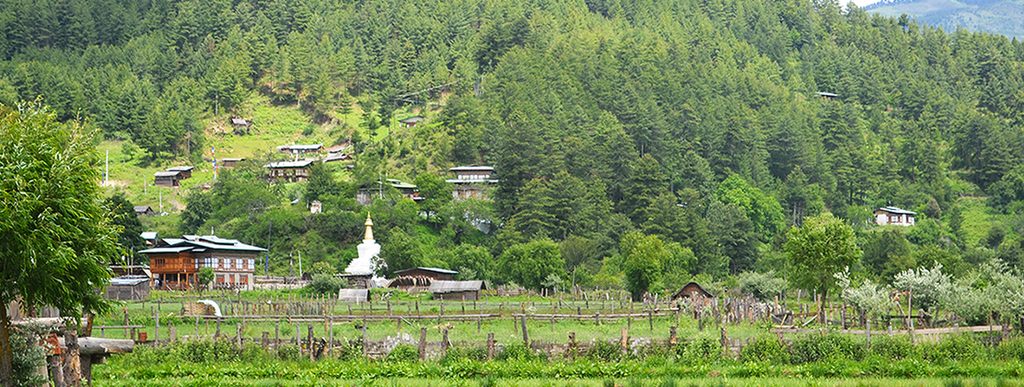
Bhutan Weather by Region
Bhutan’s varied geography creates distinct climatic zones. Knowing the differences can help you choose the right destinations and season for your trip.
Northern Bhutan
Northern Bhutan is dominated by the high Himalayas and alpine landscapes. The region remains cold throughout the year, with heavy snowfall at higher elevations. Travel here is generally focused on high-altitude trekking and remote mountain experiences.
Western Bhutan
Western Bhutan includes Paro, Thimphu, Haa and the Punakha Valley, and is the most commonly visited part of the country. The higher valleys have a cool mountain climate, while lower-lying Punakha is considerably warmer. Spring and autumn are particularly comfortable for sightseeing and hiking.
Central Bhutan
Central Bhutan includes Wangdue Phodrang, Gangtey, Trongsa and Bumthang. The climate varies with elevation, with the higher valleys around Gangtey and Bumthang experiencing colder conditions. Spring and autumn are excellent for exploring the region, while winter offers a quieter and more atmospheric experience.
Eastern Bhutan
Eastern Bhutan includes Mongar, Trashigang, Trashiyangtse and Lhuentse. The region is generally warmer than the higher valleys of western and central Bhutan, particularly at lower elevations. Spring and autumn are excellent seasons for exploring eastern Bhutan’s villages, forests and cultural sites.
Southern Bhutan
Southern Bhutan has a subtropical climate and includes areas around Phuentsholing, Gelephu and Samdrup Jongkhar. It is warmer and more humid than the Himalayan valleys, with a pronounced monsoon during summer. Winter and spring are particularly pleasant times to explore the southern foothills.
| Experience/Activity | Best Time |
| Overall sightseeing | March–May & September–November |
| Clear Himalayan views | October–November & Winter |
| Rhododendrons and wildflowers | March–May |
| Hiking | Spring & Autumn |
| Birdwatching | March–May |
| Black-necked cranes | November–February |
| Festivals | Varies by festival |
| Lush green landscapes | June–August |
| Eastern Bhutan | Spring & Autumn |
| Southern Bhutan | Winter & Spring |
| High-altitude trekking | Spring & Autumn |
The country’s extraordinary variation in altitude means that there is always somewhere with appealing conditions. A well-planned Bhutan itinerary can also take advantage of these regional differences, moving from the cool mountain valleys of the west to warmer Punakha and the subtropical south. Rather than waiting for one perfect season, choose the experiences you want most and let Bhutan’s landscapes shape the journey.
