


Travel through the Himalayas often leads to places that perfectly display devotion and a continuity of traditions. Temples, monasteries, shrines, chortens, and sacred lakes are an integral part of everyday life. While these places are preserved as relics of the past, they also continue to function as centers of worship where prayers are recited before dawn, and rituals are performed according to age-old traditions. Therefore, one needs to respectfully navigate such spaces through attentiveness. A measured presence and a willingness to follow local customs can transform a brief visit into something far more meaningful.
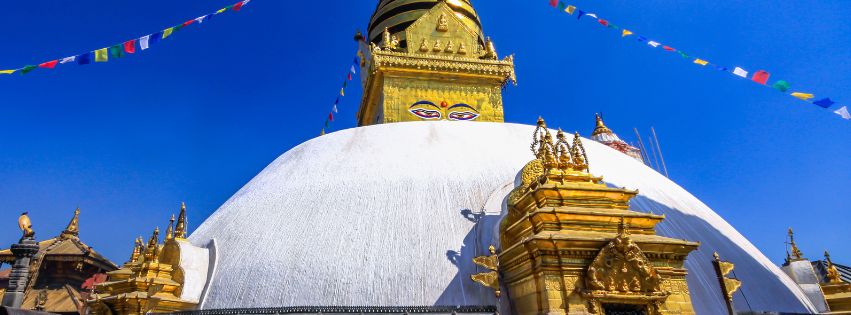
Enter with Restraint and Awareness
Sacred places possess their own atmosphere. The low murmur of chants, the scent of incense drifting through stone corridors, the slow movement of pilgrims circling a stupa, all contribute to an environment shaped by contemplation. Visitors are stepping into a space already inhabited by spiritual purpose.
Rather than approaching these places as spectacles to consume, it is worth arriving with quiet attentiveness, and to be conscious of the surroundings. Observe the flow of movement and allow the surroundings to dictate your pace. In many Himalayan cultures, composure itself is regarded as a gesture of respect.
Dress with Consideration
Modest clothing remains an expected form of etiquette across many temples and monasteries in Nepal, Bhutan, Tibet, Ladakh, and northern India. The intention is to encourage cultural sensitivity.
Clothing that covers the shoulders and knees is generally appropriate. Prayer halls require you to remove your hats and excessively revealing attire may feel disrespectful in sacred settings. In colder Himalayan regions, layered clothing naturally aligns with local expectations while remaining practical for the terrain and climate. Such considerations communicate an understanding that sacred spaces occupy a different level of respect from ordinary public environments.
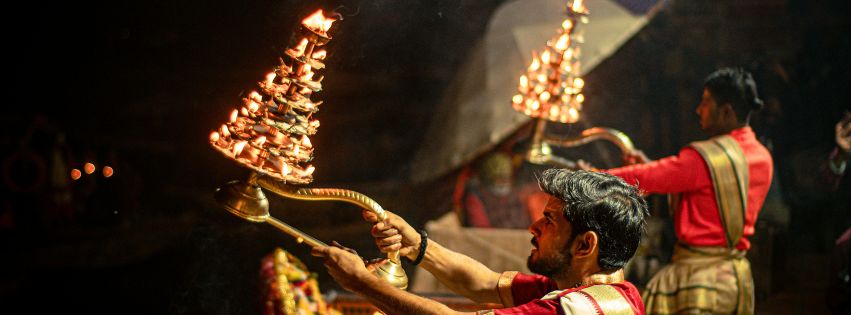
Observe Local Customs at Entrances
Footwear marks the boundary between the impure and the sacred. Shoes are removed before entering temples, monasteries, and private homes. Rows of sandals gathered near a doorway often serve as the clearest indication.
Some monastery courtyards permit footwear but all inner sanctums require you to remove your shoes. When uncertainty arises, observation remains the most graceful guide. In many temples, shoes are removed for they can contain impure objects you might have stepped upon, and more often than not, they are made up of leather. These customs may appear understated, but they carry profound symbolic weight within both Buddhist and Hindu traditions.
Approach Photography Thoughtfully
Photography within sacred places demands discernment. Certain monasteries permit photographs in open courtyards while prohibiting them inside prayer chambers. Other sites restrict photography altogether, particularly during ceremonies or moments of worship.
Even where cameras are permitted, restraint remains valuable. Not every ritual invites documentation. A monk absorbed in prayer or a devotee offering butter lamps is participating in an intimate spiritual act rather than a public display.
Before taking photographs, it is wise to look for posted guidance, seek permission when appropriate, and remain attentive to the atmosphere around you. Silence and awareness could help you preserve the integrity of a moment more fully than a photograph ever could.
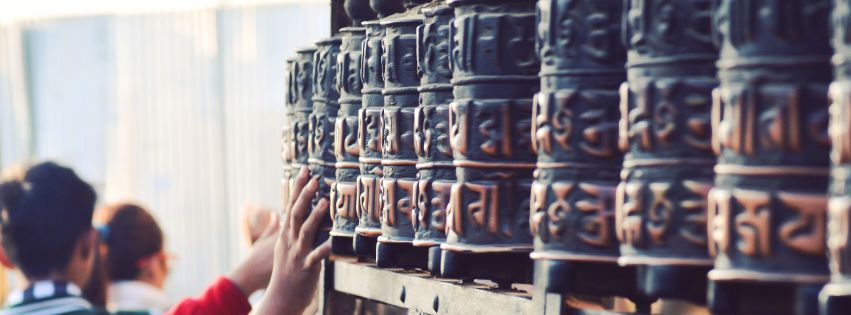
Treat Sacred Objects with Reverence
Across the Himalayan world, sacred objects form part of a larger spiritual context. Prayer wheels, mani stones, statues, scriptures, incense burners, butter lamps, and prayer flags each carry devotional significance.
Visitors are generally expected to move clockwise around stupas and shrines, spin prayer wheels gently in the same direction, and avoid touching sacred objects unnecessarily. Sitting on altars, leaning against statues, or stepping across offerings is considered deeply discourteous. Such gestures are not merely ceremonial conventions. They reflect longstanding relationships between spiritual practice, symbolism, and daily life.
Preserve the Quiet Atmosphere
Many sacred places are intentionally subdued in tone. Even in monasteries visited frequently by travelers, silence remains part of the spiritual environment. Conversations spoken too loudly can fracture the contemplative atmosphere cultivated within these spaces.
Phones should remain muted, and external music has no place within prayer grounds. A quieter presence allows visitors to absorb the texture of the surroundings with greater clarity. Sacred spaces often reveal themselves gradually through sound, rhythm, and stillness.
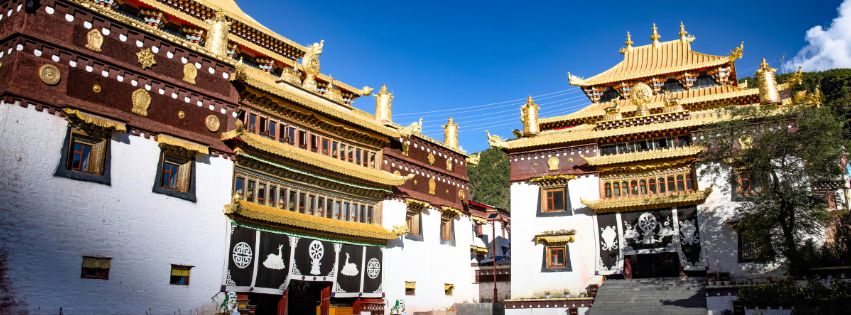
Engage Local Beliefs with Humility
Travel does not require spiritual agreement in order to cultivate respect. Throughout the Himalayas, visitors may encounter traditions unfamiliar to them. Pilgrims prostrating along mountain roads, monks engaged in philosophical debate, sacred lakes protected from disturbance, or prayer flags suspended across high passes all emerge from traditional systems of belief.
Approaching these practices with humility enriches cultural understanding. Curiosity expressed with sincerity carries greater value than judgment filtered through unfamiliar assumptions. Many spiritual traditions in the Himalayas are inseparable from landscape and collective identity.
Respect Monastic Life
Monasteries function both as religious institutions and also as places of residence, discipline, meditation, and study. Monks and nuns follow structured daily routines guided by prayer, education, meditation, and communal responsibilities.
Visitors should remain mindful of private quarters and avoid interrupting ceremonies. One must also refrain from intrusive behavior. In some traditions, casual physical contact may be culturally inappropriate. Drones and disruptive equipment are likewise unwelcome near sacred compounds unless explicit permission has been granted. A respectful distance allows monastic life to continue undisturbed while preserving the dignity of the setting.
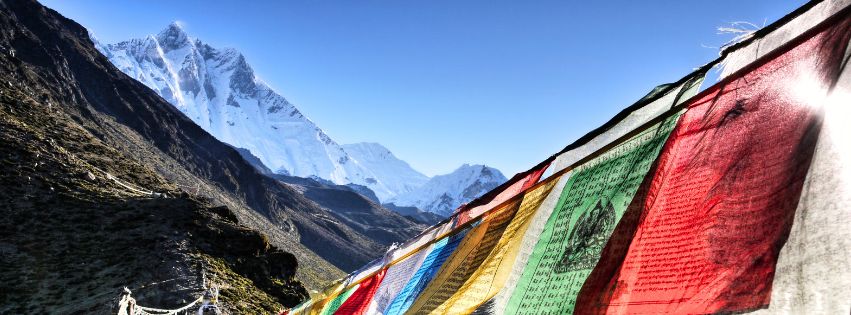
Sacred Geography Extends Beyond Architecture
Throughout the Himalayas, spirituality often resides within the landscape itself. Mountains, caves, rivers, forests, and high-altitude lakes are frequently regarded as sacred presences rather than scenic backdrops.
Pilgrimage trails crossing remote valleys or mountain passes may hold centuries of spiritual significance. Respect within these environments extends beyond personal conduct. Leaving litter behind, damaging prayer flags, or straying carelessly through fragile terrain diminishes places that local communities continue to revere. Care for the landscape becomes inseparable from care for the culture surrounding it.
Travel with Deliberate Presence
Meaningful travel rarely emerges from hurried observation. Sacred places invite a slower form of attention through patience and receptivity. Visitors who move respectfully through temples and monasteries often discover something deeper than architecture or ritual alone. They encounter living traditions sustained through devotion, continuity, and collective memory. The Himalayas reveal themselves most fully to those willing to approach them with quiet regard and thoughtful presence.
