


As an avid traveler with a penchant for adventure, I thought I’d seen it all—until I set foot on the “Roof of the World.” My recent journey through Tibet took me from the bustling spiritual heart of Lhasa to the ancient city of Tsedang, the historic charm of Gyantse, and finally, the rugged grandeur of Shigatse. What followed was an unforgettable Tibet cultural tour, peppered with moments of awe, laughter, and a few unexpected detours that only travel can deliver.
Where Tradition Meets Traffic Jams
Landing in Lhasa felt like entering a time capsule wrapped in a vibrant festival. The city moves at a unique tempo, where monks in red robes weave through streets filled with colorful prayer flags fluttering against the backdrop of snow-capped mountains. My first stop was the iconic Potala Palace, perched majestically on Marpo Ri hill. Standing at its base, I couldn’t help but wonder how many steps I’d need to climb, and whether my lungs, still adjusting to the high altitude, would survive the ascent without staging a rebellion.
Spoiler: They did, but only just!
Inside the palace, ancient history and spirituality reveal themselves through intricate murals, ornate corridors, golden statues, and rooms once reserved for the Dalai Lama. It’s a place where history and legend coincide, and every opulent or silent corner tells a story. I tried to keep my camera steady, but the sheer scale of the place made me feel like an ant in a palace built for gods.
Lhasa’s streets are a sensory overload, but in the best way possible. The Barkhor Street market surrounds the Jokhang Temple, offering everything from yak butter tea (a taste I’d soon come to love or at least tolerate) to prayer wheels that spin with wishes. Here, bargaining felt less like a transaction and more like a dance, with both sides smiling and nodding in mutual respect.
Tsedang: The Birthplace of Tibetan Civilization (and a Surprise Guest Star)
Next, I made my way to Tsedang, the ancient cradle of Tibetan civilization. This charming town, nestled in a quiet valley, is home to Yumbulhakang Palace, believed to be the oldest palace in Tibet. Walking through its weathered halls, I felt like I had stepped into a living legend, imagining the long-gone kings who once ruled here.
Not far from Tsedang is Samye Monastery, Tibet’s very first Buddhist monastery and a true spiritual treasure. The journey there was like a scene from a movie, with winding roads cutting through landscapes so stunning they almost didn’t seem real. When I arrived, I was captivated by the monastery’s unique mix of Indian, Nepalese, and Tibetan architecture. There was a peaceful energy in the air that made you want to sit quietly and soak it all in. I couldn’t help but think about the monks who’ve studied and meditated here for centuries.
But as much as the ancient palace and the sacred monastery impressed me, nothing prepared me for the real cultural surprise back in Tsedang—a herd of curious yaks. These shaggy, four-legged comedians had a talent for photobombing that was truly next level. At one point, a particularly bold yak decided my camera strap looked like an excellent chew toy. After a brief tug-of-war, I quickly realized that trying to negotiate with a yak is about as effective as convincing a cat to take a bath. Sometimes, it’s just better to let it have its way and smile for the camera.
Fortresses, Festivals, and Fierce Winds
Gyantse, with its storied Fort and stunning Pelkor Chode Monastery, was next on my itinerary. Traveling across Tibet means spending a lot of time on long, winding mountain roads. The drives can be slow and sometimes bumpy, but the stunning views of vast plateaus, towering peaks, and endless skies make every hour behind the wheel worthwhile. It’s a journey where the road itself becomes part of the adventure. We reached Gyantse in the afternoon where the sun will mild but was sufficiently luminous to explore this beautiful town.
The Gyantse Dzong fortress looms over the town like a silent guardian. Climbing up to the fortress, I found myself battling a playful gust of wind that threatened to turn me into a human kite. Holding onto my hat, and my dignity, I made it to the top, rewarded with panoramic views that made every huff and puff worth it.
The monastery itself is a kaleidoscope of Tibetan Buddhist art. The murals inside are so vivid and detailed they almost seemed to leap out at me.
My final major destination was Shigatse, Tibet’s second-largest city and home to the magnificent Tashilhunpo Monastery. Founded in the 15th century, it’s the traditional seat of the Panchen Lama and a treasure trove of Tibetan culture. The monastery’s golden rooftops glittered in the sunlight, and inside, the air was thick with incense and devotion.
One of the highlights here was witnessing the monks engaged in their daily rituals, like chanting, debating, and crafting intricate sand mandalas. Their serene focus was inspiring, though I confess I struggled to keep up with the deep philosophical debates that echo through these halls. Outside the monastery, the town offered a glimpse into everyday Tibetan life. Markets overflowed with fresh produce, handmade crafts, and the ubiquitous prayer beads.
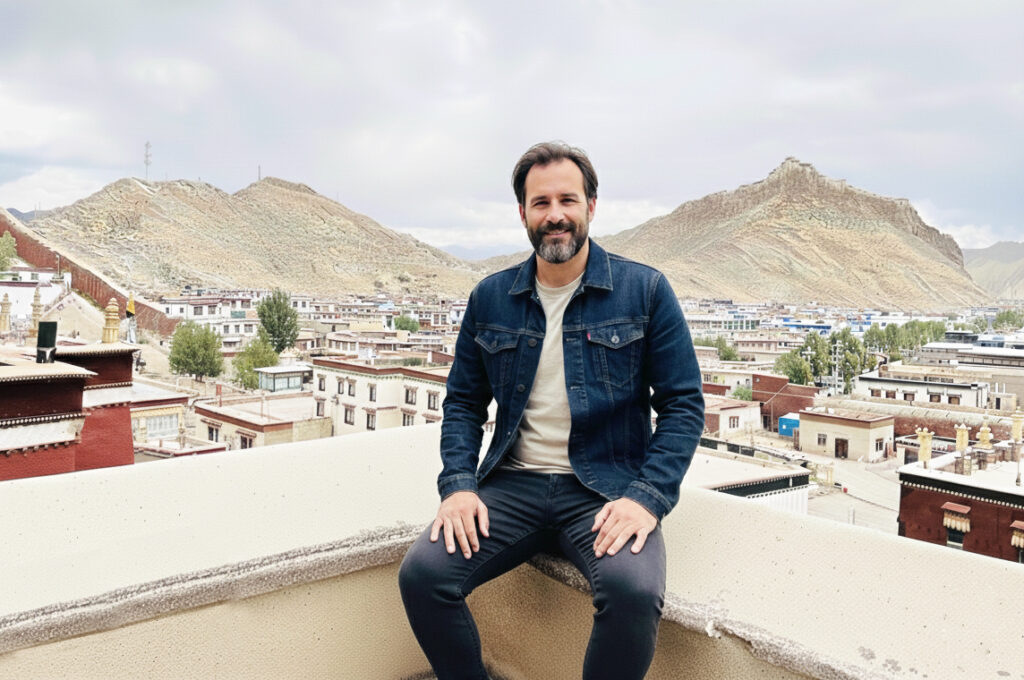
Traveling through Tibet was like reading a beautifully illustrated book where every page is a vibrant world of history and culture. The altitude-tested lungs and occasional yak-induced laughter were just part of the package.
What struck me most was the warmth of the Tibetan people. Despite the remote and often harsh environment, their smiles were generous, their hospitality genuine. For anyone considering a cultural tour of Tibet, be prepared for more than just breathtaking landscapes. Prepare to be humbled, challenged, and occasionally yak-nibbled. But above all, be ready to open your heart to a culture that has thrived for centuries in one of the most extraordinary places on Earth.
